
Silicone, Glass or Steel: Choosing a Plug Material
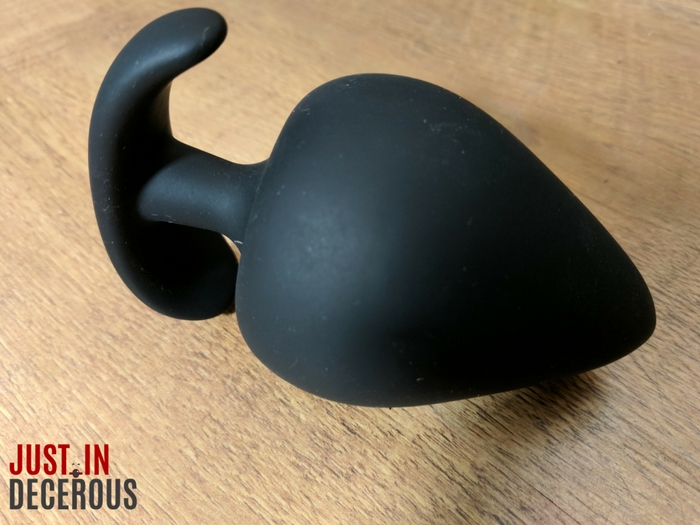
When people shop for a butt plug they tend to obsess over size and shape, and fair enough, those matter. But the material decides just as much: how the plug feels going in, how it feels sitting there for an hour, what lube you can use, how you clean it and how long it lasts. There are three body-safe materials worth your money for anal toys: silicone, glass and stainless steel. Each of them does something the other two can’t, so here’s how they stack up.
Why the Material Matters
Your arse is not a sterile place, and whatever you put up there needs to be something you can get properly clean afterwards. That’s the whole case against jelly, PVC, TPE and the cheap “silicone blend” toys. They’re porous, which means tiny pockets in the surface that hold on to bacteria no matter how well you scrub, and some of the cheaper ones contain phthalates you really don’t want sitting against a mucous membrane. If a toy smells strongly of chemicals out of the box, feels oily or tacky, or costs so little it seems too good to be true, it probably is. Silicone, glass and steel are all non-porous, so they can be cleaned properly every single time.
Silicone
Silicone is where most people start and where a lot of people stay. Good quality silicone has a little bit of give to it, warms up to body temperature quickly and has that smooth, velvety feel that makes long wear comfortable. It’s also the only one of the three that can bend, which is why you get flexible T-bar bases like the one on the Big Bang Butt Plug, and it’s the material vibrating plugs like the Nexus Ace are made from.
The downsides are small but real:
- Silicone has more drag than glass or steel, so you’ll need more lube and you’ll need to top it up during longer wear.
- Use water-based lube. Silicone lube can damage the surface of some silicone toys, so unless the manufacturer says it’s fine, keep the two apart.
- Firmness varies a lot from brand to brand. A soft plug is more forgiving but can be harder to insert, while a firm one goes in more easily but feels more insistent once it’s there.
- It’s a magnet for lint and dust.
If this is your first plug, a small, firm-ish, 100% silicone plug with a proper flared base is the safest bet you can make.
Glass
Good glass toys are made from borosilicate glass, the same heat-resistant stuff used for lab glassware. It’s non-porous, completely rigid and incredibly smooth, so once a glass plug is lubed it glides in a way silicone just doesn’t. You can see at a glance whether it’s clean, it works with any lube, and it’s great for temperature play: a few minutes in warm water or cool water changes the whole experience.
What you need to know before you buy:
- There is no give whatsoever, a point I made in my Observator review. A shallow taper on a glass toy feels much bigger than the same shape in silicone, so warm up properly first.
- Check it for chips and cracks before every use, and if you drop it on a hard floor, check it twice. A chipped glass toy goes in the bin, not up your arse.
- Keep temperature changes gentle. Nothing straight from the freezer, and nothing into boiling water from cold.
- Glass is denser than silicone, so a glass plug weighs noticeably more than a silicone one of the same size.
Stainless Steel
Steel is the heavyweight in every sense. Medical or surgical grade stainless steel is non-porous, practically indestructible and can be boiled clean. The weight is the whole point for a lot of people: a steel plug gives a sense of fullness and pressure that you notice every time you move, sit down or clench. It holds temperature brilliantly for hot and cold play, and like glass it’s happy with any lube.
The flip side of all that:
- The weight that feels amazing for twenty minutes can be a lot for a whole afternoon, and a heavy plug with a small neck can work its way out when you’re moving about. Base and neck shape matter even more here.
- It’s cold out of the drawer, so warm it in your hands or some warm water unless cold is what you’re after.
- Like glass, there’s zero give.
- Quality steel costs more up front, though it will probably outlive you.
One important note: metal conducts electricity, but a steel plug is not an electrode. Don’t clip an e-stim lead onto a regular metal plug. If electro play is where you’re heading, use insertables designed for it and read Getting Started With E-Stim: Safety First before anything gets switched on.
Lube at a Glance
- Silicone: water-based, unless the manufacturer specifically says silicone lube is fine.
- Glass: water-based or silicone-based.
- Stainless steel: water-based or silicone-based.
Whatever the material, if you’re using condoms on your toys, keep oil-based lube well away from latex.
So Which One Should You Buy?
If you’re new to anal play or you want something to wear for a long time, go silicone. If you want a smooth, slick glide and you like the idea of temperature play, go glass. If you want to feel it, constantly, every time you move, go steel. Plenty of people end up with all three in the drawer and pick depending on the mood.
Whichever way you go, one thing isn’t up for debate: a plug needs a flared base or a T-bar that’s clearly wider than the widest part of the plug. Anything without one is not an anal toy, whatever the box says.
And because the whole reason for choosing a body-safe material is being able to clean it properly, have a read of Cleaning and Storing Toys the Right Way too.
Sorry - Comments are closed